There’s a particular kind of tiredness that a long weekend can’t fix. It’s the sort that builds up over months of back-to-back meetings, notifications, and the low hum of always being «on.» For a growing number of people across the UK and the rest of Europe, the answer isn’t another city break — it’s time spent at a proper retreat house, away from the noise of everyday life.
Retreats in Europe have quietly become one of the most popular ways to reset. Unlike a standard holiday, which is often about seeing and doing as much as possible, a retreat is built around the opposite idea: doing less, noticing more, and giving the nervous system a genuine chance to settle. Whether you’re drawn to yoga, silence, forest bathing, or simply a week without a schedule, there’s now an enormous range of options within a short flight of home.
Why Europe Retreats Are Having a Moment
A few things have converged to make retreats one of Europe’s fastest-growing forms of travel.
First, there’s proximity. Unlike wellness travel to Southeast Asia or Central America, a European retreat rarely requires more than a two- or three-hour flight, and often much less. That matters when you’re trying to actually relax rather than spend half your holiday recovering from jet lag.
Second, the landscape itself does a lot of the work. From the pine forests of the Baltics to the olive groves of southern Italy, Europe offers an extraordinary range of settings suited to slowing down — lakes, coastlines, mountains, and quiet countryside all within reach of major cities.
Third, and perhaps most importantly, there’s been a genuine shift in how people think about rest. A decade ago, «wellness travel» conjured images of luxury spas. Today, the demand is for something more substantial: structured time away, guided practice, good food, and space to think. Retreats meet that need in a way a hotel stay simply can’t.
What Makes a Good Retreat House
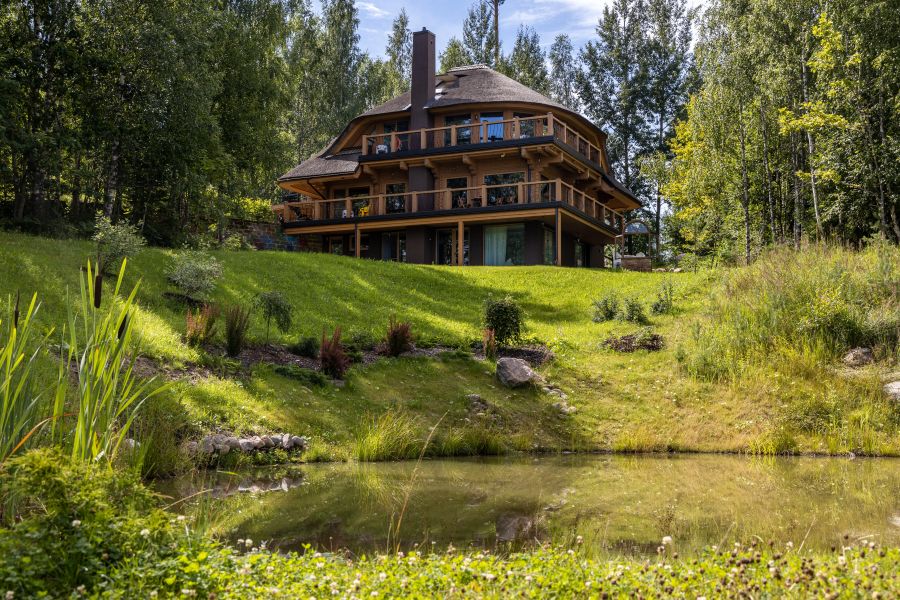
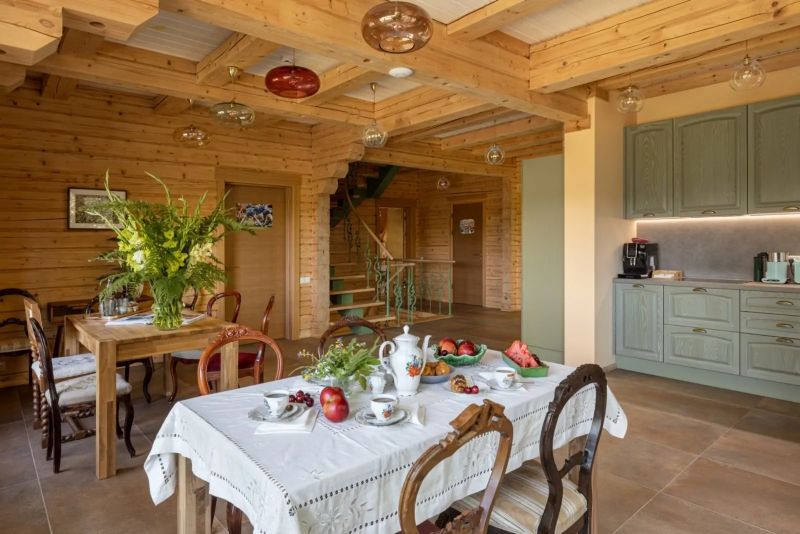
Not every retreat is created equal, and the building matters more than people expect. A retreat house — the physical place where a retreat happens — sets the tone for everything else.
The best retreat houses tend to share a few qualities:
- A sense of separation from ordinary life. Often rural, often quiet, usually without the visual noise of a typical hotel.
- Comfortable but unfussy accommodation. Retreats aren’t about luxury for its own sake; they’re about having exactly what you need and nothing that distracts.
- Access to nature. Whether that’s a lake for cold-water swimming, forest trails, or simply a garden to sit in, contact with the natural world is usually central to the experience.
- Thoughtful programming. A good retreat house doesn’t just offer a room and a yoga mat — it structures the days so guests can actually switch off, rather than having to plan their own downtime.
A Baltic Option Worth Knowing About
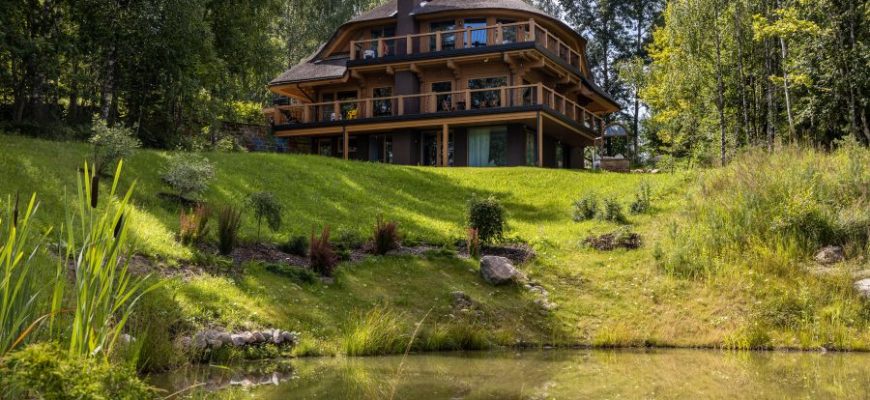
One destination that’s been gaining attention among those searching for retreats in Europe is Latvia — a country not traditionally associated with wellness tourism, but which turns out to be extremely well suited to it. Latvia is roughly half-covered in forest, has a long, unspoiled Baltic coastline, and a culture that already places real value on sauna, nature, and quiet.
Among the retreat houses operating there, Retreat Latvia has built a reputation for combining that Baltic setting with well-structured programming — the kind of place where the forest and the format work together, rather than the accommodation being an afterthought to the itinerary. For anyone weighing up options within easy reach of the UK, it’s a useful example of what a well-run European retreat house looks like in practice: close enough for a long weekend, remote enough to feel like a genuine escape.
How to Choose Between Europe Retreats
With so many retreats now on offer across the continent, from the Algarve to the Alps, it helps to narrow things down using a few practical questions:
- What are you actually trying to achieve? Physical recovery, mental quiet, a break from screens, or a specific practice like yoga or meditation — the right retreat house differs depending on the goal.
- How far are you willing to travel? A two-hour flight and a short transfer keeps a retreat feasible for a long weekend; further-flung options usually need a full week to be worthwhile.
- Structured or unstructured? Some retreats run a tight daily schedule; others leave long stretches of unplanned time. Neither is better — it depends on what kind of rest you respond to.
- Group size and atmosphere. Smaller retreat houses tend to offer a quieter, more personal experience; larger ones often have more facilities and a wider social element.
Final Thoughts
Europe’s retreat scene has grown well beyond the yoga-and-smoothie stereotype. Today it spans everything from silent meditation in the Spanish hills to forest-based programmes in the Baltics, and the common thread is simple: a proper break from the pace of ordinary life, in a place built specifically for that purpose. Wherever you end up — whether that’s a well-known retreat house in the Mediterranean or a quieter Baltic option like Retreat Latvia — the fundamental idea is the same. Sometimes the most useful thing you can do for yourself is go somewhere quiet and stop.